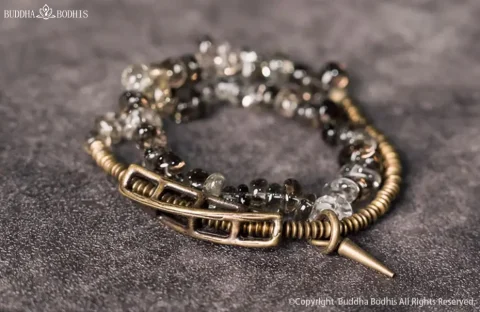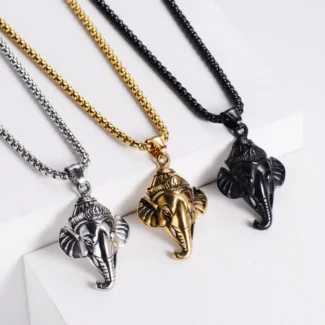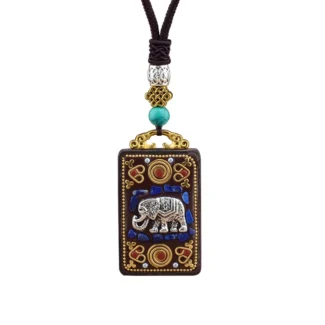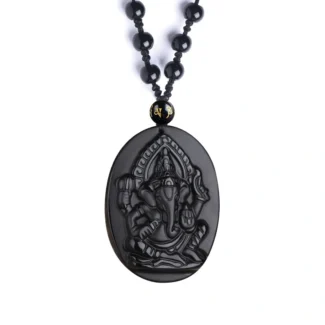



A Buddha necklace is a wearable symbol of enlightenment, compassion, and inner peace, serving as a personal, sacred ornament. Many people wear one seeking a deeper connection to these spiritual principles and as a daily reminder to live with mindfulness and kindness. This guide explores the profound spiritual meaning of wearing a Buddha necklace, its associated benefits, and the respectful practices for incorporating one into your life.
Quick Summary
- 💎 Symbolism: A Buddha necklace represents the path to enlightenment, wisdom, and freedom from suffering.
- 🌿 Core Benefits: It is often worn as a talisman for spiritual protection, inner peace, and to attract positive energy.
- 🔮 Key Function: It acts as a piece of mindfulness jewelry, a physical reminder to stay present, centered, and compassionate.
- 🙏 Respectful Wear: The primary rule is to wear it with sincere intention. It’s traditionally kept above the waist and away from unclean spaces.
- ✨ Universal Message: The teachings of peace and mindfulness it represents are universal, making it accessible to anyone, regardless of their religious affiliation.
What Is a Buddha Necklace?
A Buddha necklace is a piece of spiritual jewelry that features a pendant, charm, or carving depicting Siddhartha Gautama—the historical Buddha—or other revered figures within Buddhism, such as Bodhisattvas or the Laughing Buddha (Budai). Its purpose extends far beyond simple adornment. In our experience crafting these pieces, we see them as tangible focal points for meditation, mindfulness, and the personal embodiment of Buddhist teachings.
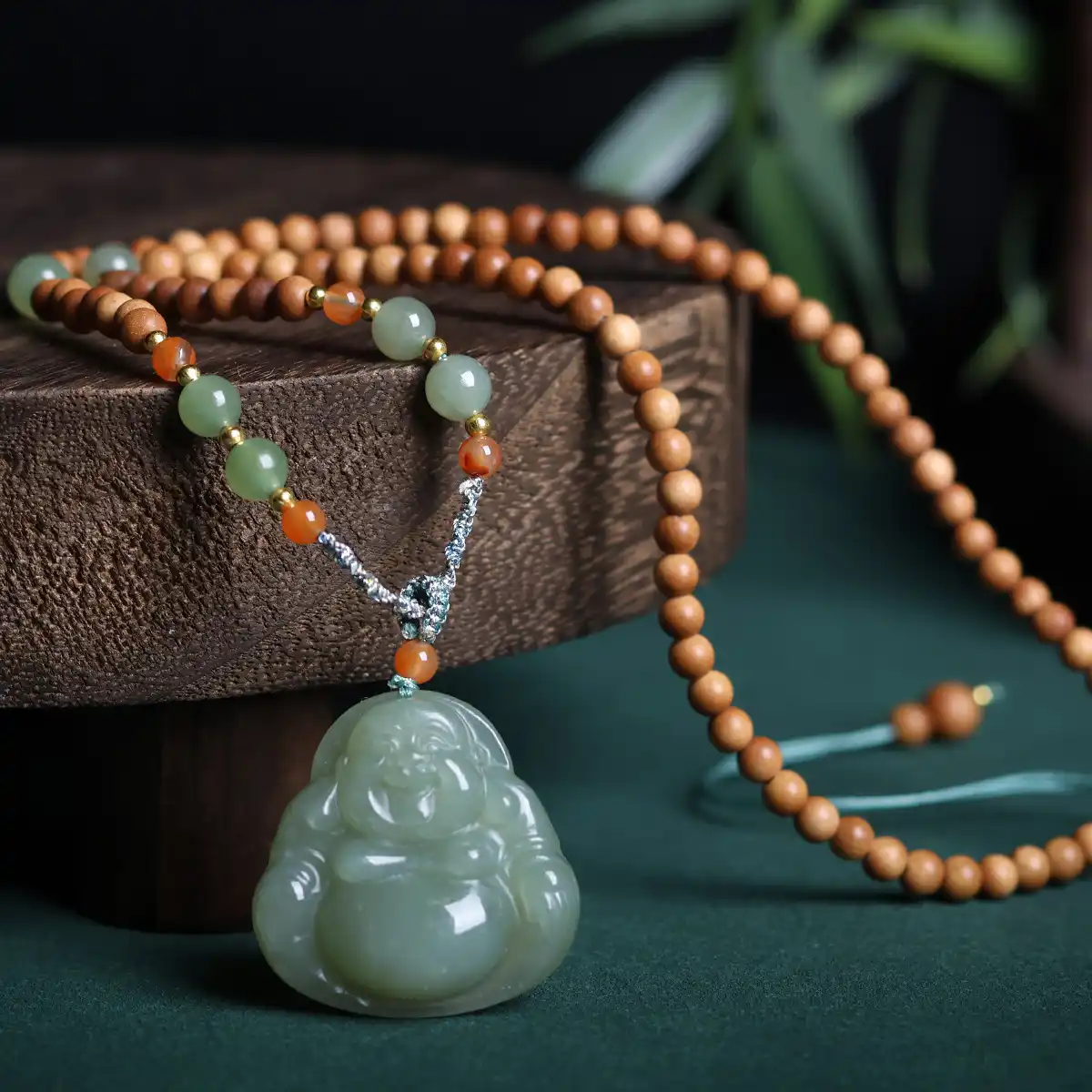
These necklaces are crafted from a variety of materials, each adding its own energetic layer to the Buddha pendant’s meaning. Common materials include grounding woods like sandalwood, harmonious stones like jade, and precious metals like silver and gold. The choice of material can deepen the wearer’s personal connection to the piece’s intention.
Historically, Buddhist symbols in jewelry have served as tools for devotion, protection, and identity. Wearing such a symbol connects the individual to a lineage of wisdom that is thousands of years old. When we source materials, like the vibrant green jade for our pendants, we often consider their historical use and properties, which you can learn more about from gemological resources like The Gemmological Association of Great Britain.

Spiritual Meaning & Symbolism
The symbolism of a Buddha necklace is rich and multi-layered, with each element carrying profound spiritual weight. It is not merely a depiction of a historical figure but a representation of a state of consciousness that is available to all beings. We find that clients are often drawn to a specific pose or style without consciously knowing why, only to discover its meaning aligns perfectly with their current life path.
The Ultimate Symbol of Enlightenment
At its core, the Buddha pendant represents the ultimate goal of Buddhist practice: enlightenment, or *nirvana*. This is the state of being free from suffering (*dukkha*) and the endless cycle of rebirth (*samsara*). Wearing it signifies a personal aspiration toward this state of ultimate wisdom, clarity, and unconditional love.
A Talisman for Inner Peace and Mindfulness
In our modern, fast-paced world, the Buddha necklace serves as a potent inner peace necklace. It is a physical cue, a gentle touchstone that can bring you back to the present moment. We often hear from clients that simply holding the pendant during a stressful moment helps them recenter their breath and their awareness, making it a powerful piece of mindfulness jewelry.
Exploring Different Buddhist Necklace Symbolism
Different depictions of the Buddha carry unique meanings, allowing you to choose a pendant that resonates with your specific intentions.
- 🙏 Meditating Buddha: This is perhaps the most common pose, showing the Buddha with hands in his lap, legs crossed. It represents serenity, deep concentration, and the inner journey required to find enlightenment.
- ☸️ Teaching Buddha (Dharmachakra Mudra): In this pose, the thumb and index finger of both hands touch, forming circles. This powerful mudra symbolizes the turning of the Wheel of Dharma—the moment the Buddha gave his first sermon and shared his teachings with the world. For a deeper understanding of Buddhist iconography, resources like BuddhaNet offer extensive information.
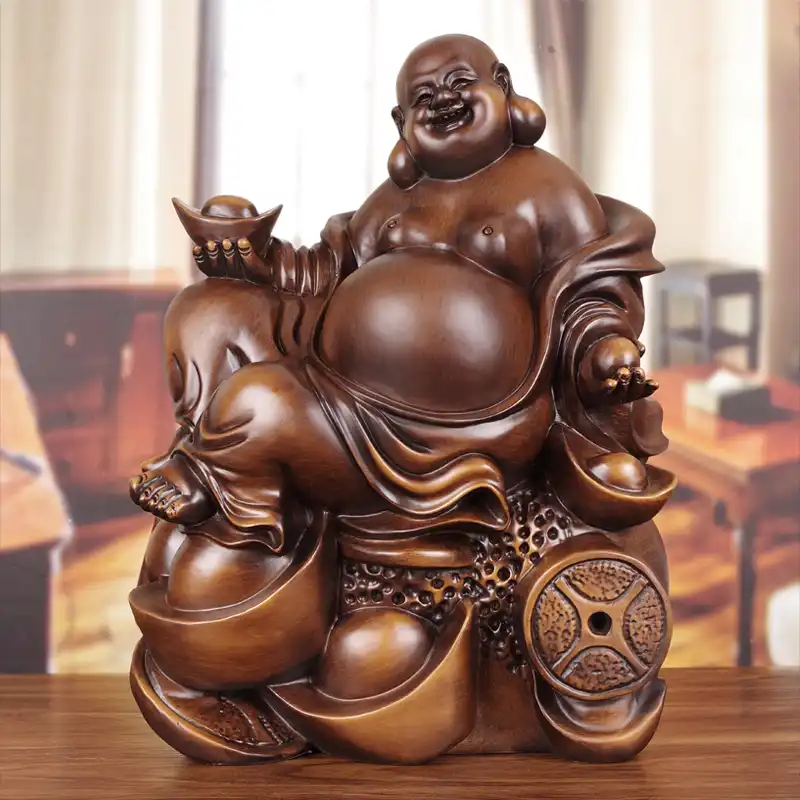
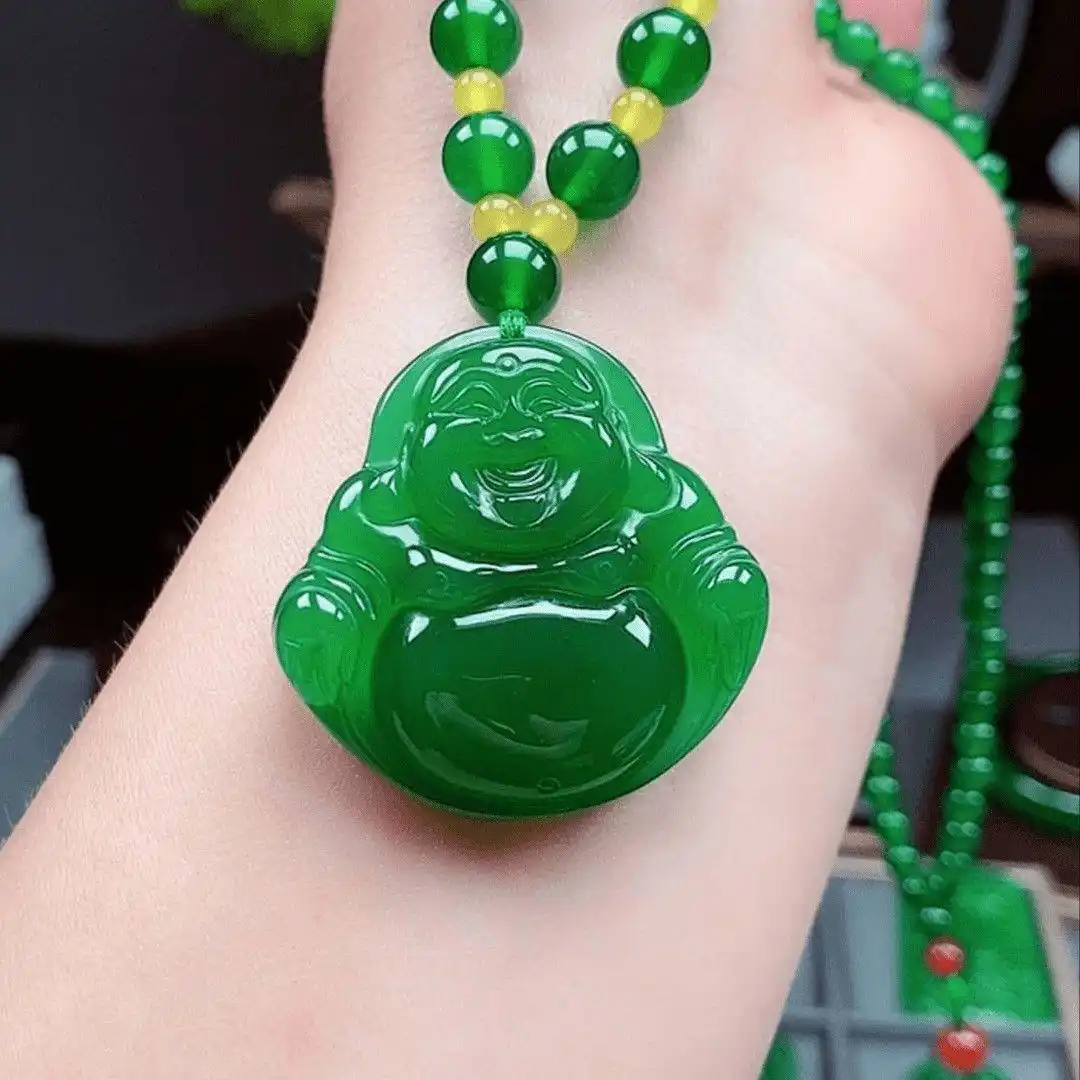
- 😄 Laughing Buddha Necklace Meaning (Budai): Often mistaken for Siddhartha Gautama, Budai is a 10th-century Chinese monk who is a symbol of happiness, joy, good fortune, and abundance. Wearing a Laughing Buddha is believed to attract prosperity and remove obstacles.
- 🧠 The Buddha Head: A pendant focusing only on the Buddha’s head emphasizes his wisdom, knowledge, and enlightened mind. It serves as a reminder to cultivate a calm, clear, and compassionate mental state.
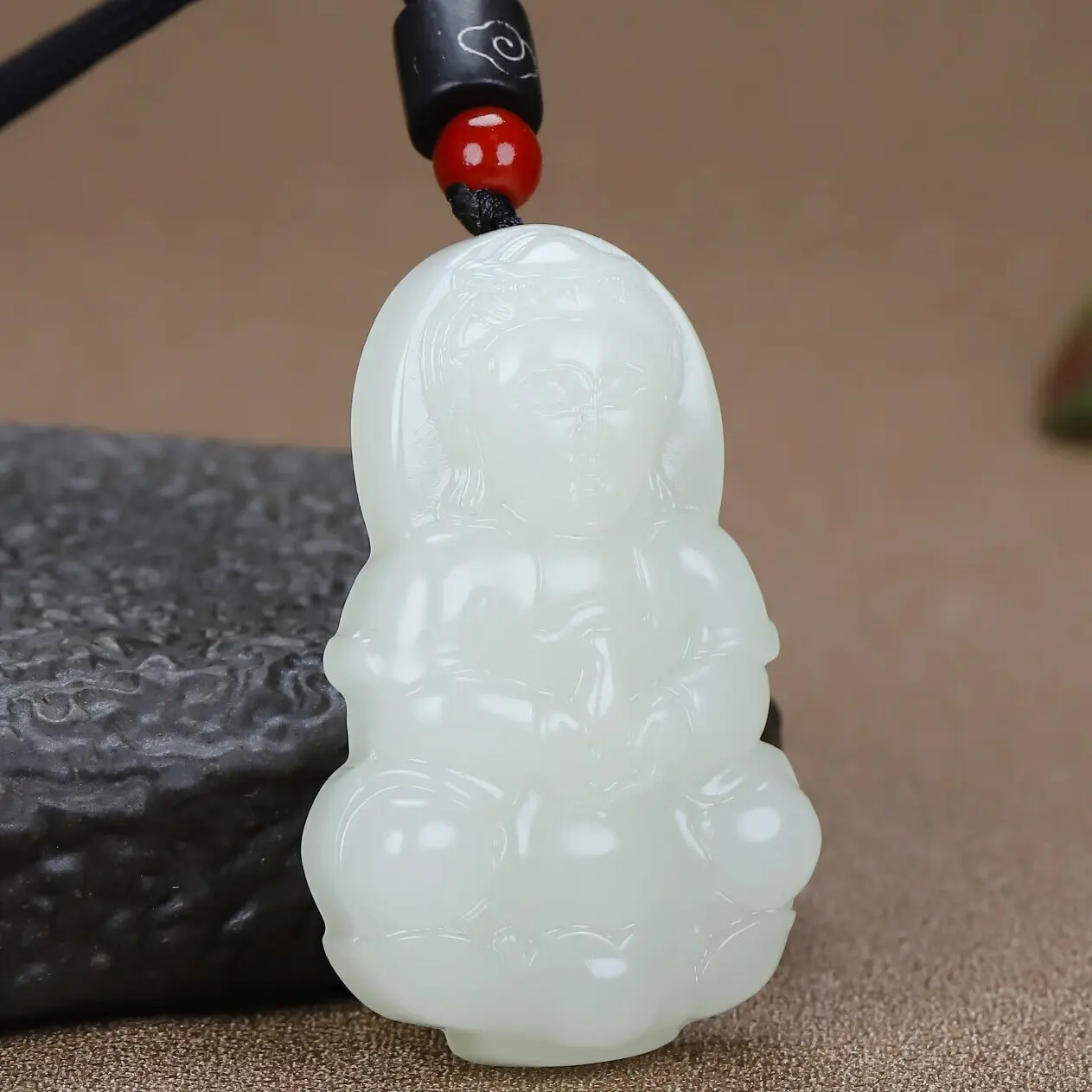
Benefits & Intentions Associated with a Buddha Pendant
While a Buddha necklace is a beautiful piece of jewelry, its true value lies in the intentions and beliefs imbued within it. The benefits are deeply personal and connected to the wearer’s own spiritual practice and mindset.
Disclaimer: The following benefits are based on traditional beliefs, spiritual interpretations, and the experiences of our community. They are not intended as medical advice or guaranteed outcomes.
- ✨ Attracting Positive Energy: Many wearers believe the pendant acts as a positive energy talisman. It is thought to purify the wearer’s aura and attract energies of peace, calm, compassion, and good fortune.
- 🛡️ Spiritual Protection: The image of the Buddha is considered a powerful amulet for protection and peace. It is believed to shield the wearer from negative energies, ill intentions, and internal states like fear and anxiety, fostering a profound sense of safety. Certain materials, like obsidian, are particularly known for this; you can read our guide: The Spiritual Meaning of Silver Sheen Obsidian: A Mirror to the Soul to learn more.
- 🧘 Deepening Meditation Practice: During meditation, the pendant can be used as a focal point. Holding it or focusing on its image can help quiet the mind, enhance concentration, and connect you more deeply with your spiritual intentions.
- 💖 Fostering Compassion: Perhaps one of the most important benefits is its role as a constant reminder to practice *metta* (loving-kindness) and *karuna* (compassion). Seeing or feeling the necklace can be a cue to respond to situations—and yourself—with more kindness and understanding.
How to Wear a Buddha Necklace Respectfully
Wearing a symbol as sacred as the Buddha requires a level of mindfulness and respect. From our perspective as creators and practitioners, the most critical element is your intention. If your intention is pure and respectful, you are already on the right path.
Placement and General Rules
Traditionally, a Buddha pendant should be worn high on the body, close to the heart, to keep the teachings of compassion and wisdom near. It is essential to treat the pendant as a sacred object.
- ✅ Wear it above the waist. The upper part of the body is considered cleaner and more sacred.
- ❌ Avoid profane or unclean places. It’s customary to remove the necklace before entering a bathroom or engaging in intimate activities.
- 😴 Take it off before sleeping. This is a sign of respect and also prevents accidental damage to the necklace.
- 🚫 Never let the pendant touch the ground. This is considered highly disrespectful.
Choosing the Right Buddha Necklace for You
Selecting a Buddha necklace is a deeply personal process. Consider which pose or figure resonates most with your current spiritual goals. Do you seek serenity (Meditating Buddha), abundance (Laughing Buddha), or wisdom (Buddha Head)?
The material also plays a significant role. Wood can offer a grounding energy, while different crystals and stones bring their unique properties. If you are looking for authentic energy to support your journey, you may resonate with our artisans’ work when you explore our NECKLACES & PENDANTS collection.
Buddha Necklace vs. Mala Beads
It’s common for spiritual seekers to wonder about the difference between a symbolic Buddha necklace and a set of Mala beads. While both are forms of Buddhist jewelry, their primary functions are distinct. We’ve created a simple table to highlight the key differences we often explain to our clients.
| Feature | Buddha Necklace | Mala Bead Necklace (Japa Beads) |
|---|---|---|
| Primary Function | Symbolic Representation / Talisman | Active Meditation Tool |
| Core Purpose | A passive reminder of enlightenment, peace, and protection. | Used for counting mantras, breaths, or affirmations (typically 108 beads). |
| Usage | Worn daily as a source of inspiration and spiritual connection. | Actively used during spiritual practice, but can also be worn. |
| Symbolism | The pendant itself holds the specific meaning (e.g., compassion, wisdom). | The 108 beads, guru bead, and tassel all have deep symbolic meanings related to the cosmos and the spiritual path. |
Who Can Wear a Buddha Necklace?
A common and important question is: “Can a non-Buddhist wear a Buddha necklace?” The answer is a heartfelt yes, provided it is worn with respect and understanding. The core teachings of the Buddha—mindfulness, compassion, inner peace, and the pursuit of wisdom—are universal truths that transcend any single religion.
Anyone on a path of self-discovery, regardless of their spiritual background, can find meaning in its symbolism. It is for the mindful individual looking for a tangible reminder to stay present in a chaotic world. The power of any spiritual tool, whether it’s a crystal, a cross, or a Buddha pendant, comes from the intention, respect, and personal meaning you invest in it.
The true significance of your spiritual jewelry is not in its label, but in the connection it fosters within you. It is a mirror to your own inner potential for peace and wisdom.
How to Cleanse, Charge, and Care for Your Buddha Pendant
When you first receive your Buddha necklace, we highly recommend cleansing it to clear any lingering energies from its creation and journey to you. This prepares it to be attuned to your specific intentions. This is a practice we apply to all stones and materials that come into our studio.
Common Cleansing Methods
- 🌕 Moonlight: Place your necklace on a windowsill under the light of a full or new moon overnight. This is a gentle yet powerful method suitable for most materials.
- 🎶 Sound: Use the vibrations from a singing bowl, tingsha bells, or chimes to bathe the pendant in purifying sound waves.
- 💨 Smoke: Pass the pendant through the smoke of cleansing herbs like sage, palo santo, or sandalwood. Envision the smoke carrying away any unwanted energy.
Setting Your Intention (Activating Your Pendant)
After cleansing, your pendant is ready to be programmed with your intention. Find a quiet moment, hold the necklace in your hands, and close your eyes. Take a few deep, centering breaths and clearly, either aloud or in your mind, state what you wish for the necklace to represent for you. For example: “May this remind me to be compassionate,” or “May this help me find peace in moments of stress.”
Material-Specific Care
Proper care ensures your sacred piece remains beautiful and energetically clear. A jade Buddha pendant, for instance, has a special spiritual meaning tied to purity and harmony; it should be cleaned with a soft cloth and water, avoiding harsh chemicals. For pieces with silver components, gentle polishing can maintain their shine, a practice recommended by institutions like the Gemological Institute of America (GIA). For a deeper dive into various materials, exploring our Crystal Meanings & Healing hub can provide specific guidance.
Frequently Asked Questions
What is the spiritual meaning of a Buddha necklace?
It primarily symbolizes enlightenment, wisdom, compassion, inner peace, and spiritual protection. It serves as a personal, wearable reminder of these qualities and a commitment to one’s own path of mindfulness and self-awareness.
Can anyone wear a Buddha necklace respectfully?
Absolutely. The key is to wear it with respect and sincere intention. It is not an object exclusive to Buddhists, as its universal message of peace, kindness, and mindfulness can resonate with anyone, regardless of their faith.
What are the benefits of wearing a Buddha pendant?
Commonly believed benefits include attracting positive energy, providing a shield against negativity, deepening one’s meditation or mindfulness practice, and serving as a constant reminder to practice compassion towards oneself and others.
Are there rules for wearing a Buddha necklace?
Yes, there are traditional guidelines intended to show respect for this sacred symbol. These include wearing it above the waist, keeping it from touching the ground, and removing it during certain activities like sleeping, bathing, or intimacy.
How do you cleanse and care for a new Buddha necklace?
You should cleanse a new necklace to clear its energy using methods like moonlight, sound healing, or sage smoke. Afterwards, set your personal intention for the piece. Care for it by handling it gently and cleaning it according to its specific material, avoiding harsh chemicals.
A Reflection of Your Inner Path
A Buddha necklace is far more than an accessory; it is a profound and personal piece of spiritual jewelry. It acts as a guide toward enlightenment, a symbol of protection, and a daily source of peace and mindfulness. Its significance is a conversation between the ancient wisdom it represents and the personal journey of the one who wears it.
Ultimately, the true value of wearing a Buddha head necklace or any spiritual pendant lies in the mindful connection you bring to it. Let it be a beautiful reflection of your commitment to living a more peaceful, compassionate, and aware life. Let it be a reminder of the enlightened nature that already exists within you.
Jewelry Artisans & Feng Shui Practitioners. We have been crafting spiritual jewelry with intention since 2020.